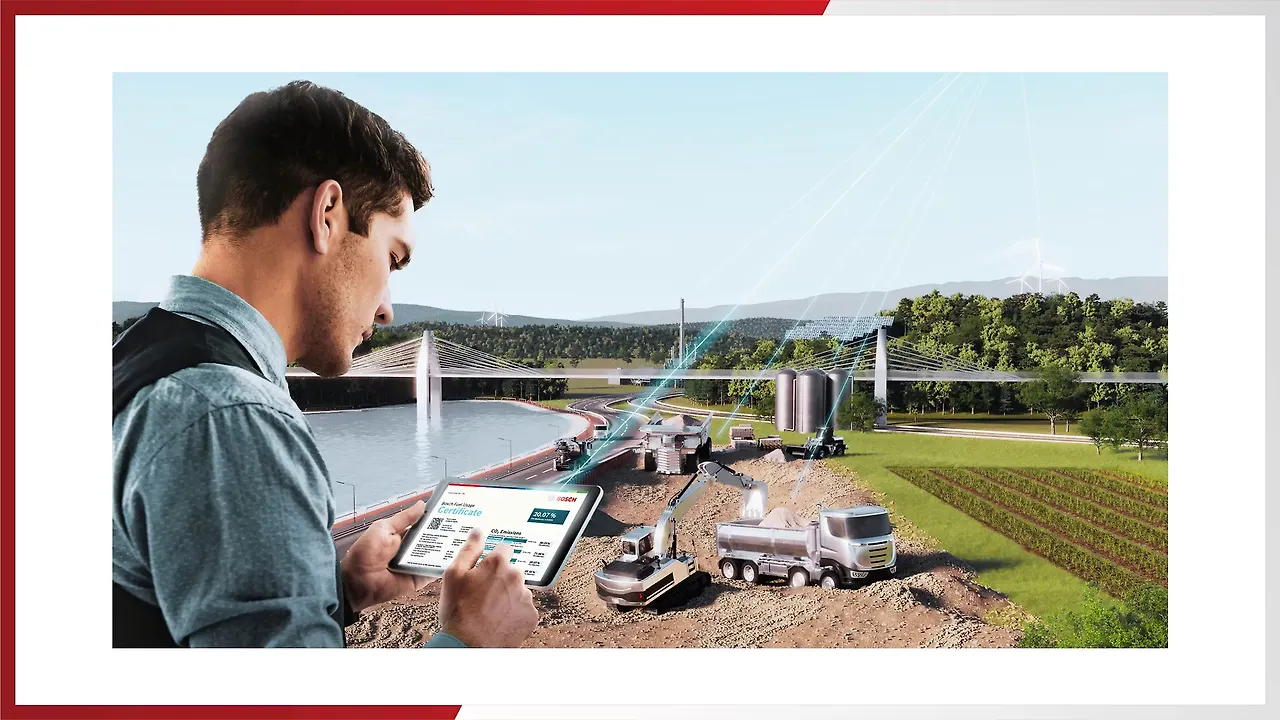
Bosch’s introduction of the Digital Fuel Twin marks a significant step in reconciling combustion engines with climate goals. This cloud-based software solution enables precise and tamper-proof documentation of renewable synthetic fuel use across fleet operations. As governments intensify their scrutiny of vehicle emissions and prepare for tougher regulations, Bosch’s tool offers transport companies a way to demonstrate their use of low-emission fuels with auditable proof. It could also help extend the relevance of internal combustion engines in a world shifting rapidly towards electrification.
The Digital Fuel Twin records detailed information on fuel properties, quantities purchased, and carbon content, from the point of production through to refuelling. This entire lifecycle is mapped in a secure digital space, creating a virtual twin of the physical fuel that can be verified against real-time sensor data. For logistics firms and fleet operators, this not only meets rising environmental reporting demands but provides a traceable path to compliance in an increasingly carbon-conscious transport sector.
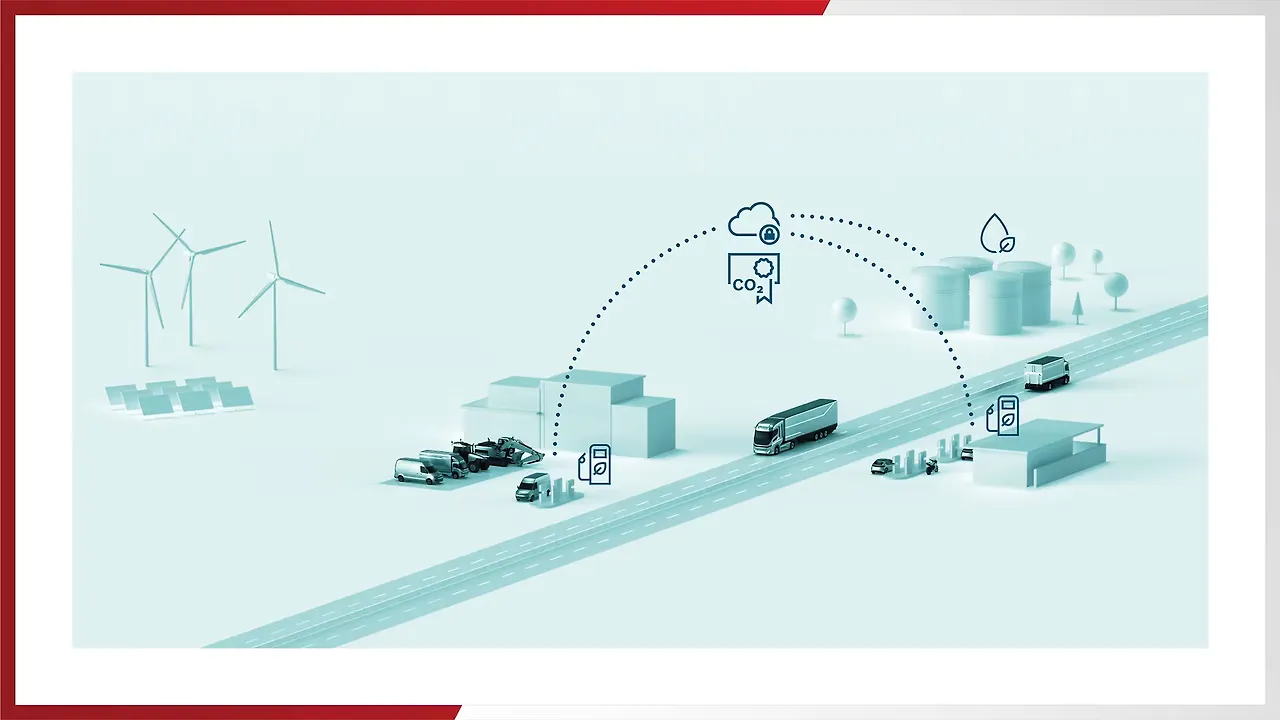
Bosch's software is already in field use, including during the Tour d’Europe, where fleets refuelled solely with synthetic renewable fuels. While still in its pilot phase, the Digital Fuel Twin is expected to be integrated directly into production vehicles by 2026. Its potential significance, however, may lie in policy. If the EU moves to reclassify vehicles that exclusively run on renewable synthetic fuels as zero-emission, Bosch’s tool could be central in proving eligibility, potentially altering the direction of emissions legislation.
Renewable synthetic fuels such as HVO100 and E85 are already in use across Europe. HVO100, derived from waste vegetable oils, offers up to 90 percent lower emissions than conventional diesel. E85, made from ethanol, is another alternative gaining traction. However, these fuels face a documentation gap that limits their wider adoption. Bosch’s solution seeks to close this gap by making emissions reductions verifiable, traceable, and compliant with emerging regulatory standards.
Also Read